
Irena Sendler
Polish humanitarian who saved Jewish children during the Holocaust.
Irena Stanisława Sendler, born Krzyżanowska on 15 February 1910 in Warsaw, was a Polish social worker, nurse, and humanitarian who worked in the Polish Underground during the German occupation of Warsaw in World War II. Using the alias Jolanta, she took charge of the children’s section of Żegota, the Polish Council to Aid Jews, starting in October 1943.
In the 1930s, Sendler’s social work was tied to the Free Polish University. From 1935 until October 1943, she was employed by Warsaw’s Department of Social Welfare and Public Health. During the war, she joined a mostly female network of department workers and volunteers in secret rescue efforts. Alongside many others, she helped smuggle Jewish children out of the Warsaw Ghetto, then gave them false documents and placed them with Polish families, orphanages, or Catholic convents, shielding them from the Holocaust.
The Gestapo suspected her underground involvement and arrested her in October 1943. She managed to conceal the list of rescued children’s names and hiding places, keeping it from German hands. Despite torture and imprisonment, she refused to disclose any details about her work or the children’s locations. Sentenced to death, she escaped execution on the scheduled day after Żegota bribed German officials to secure her release.
After the war, under communist rule in Poland, Sendler continued her social activism and held government positions. In 1965, Israel recognized her as Righteous Among the Nations. Her honors include the Gold Cross of Merit (1946) for saving Jews and the Order of the White Eagle, Poland’s highest award, given late in her life for her wartime humanitarian work.
Sendler was born to Stanisław Henryk Krzyżanowski, a doctor, and Janina Karolina Grzybowska. Baptized Irena Stanisława in Otwock in February 1917, she grew up there, about 15 miles southeast of Warsaw, in a town with a Jewish community. Her father, who treated poor patients—including Jews—for free, died of typhus in February 1917, caught from his patients. The Jewish community offered financial help to her mother, who declined. Sendler later lived in Tarczyn and Piotrków Trybunalski.
She studied law for two years from 1927, then Polish literature at the University of Warsaw, pausing her studies from 1932 to 1937. She opposed the ghetto benches system at Polish universities (introduced at Warsaw in 1937) and altered the “non-Jewish” mark on her grade card. She faced academic discipline for her activities and reputation as a communist and philo-Semite. By the war’s start, she had submitted her master’s thesis but not taken final exams. She joined the Union of Polish Democratic Youth in 1928 and later the Polish Socialist Party during the war. Negative recommendations from the university, citing her leftist views, repeatedly blocked her from teaching in Warsaw schools.
At the Free Polish University, she worked with social and educational units, meeting activists from the illegal Communist Party of Poland. Under Professor Helena Radlińska, she joined a group of social workers; over a dozen of these women later rescued Jews. Her fieldwork revealed severe poverty among Warsaw’s Jewish population. She worked at a legal and social help clinic, the Section for Mother and Child Assistance under the Citizen Committee for Helping the Unemployed. In 1934, she published two pieces on children born out of wedlock and their mothers. Her work took her through Warsaw’s poor neighborhoods, serving helpless, disadvantaged women. When the government dissolved the section in 1935, many members, including Sendler, joined the City of Warsaw’s Department of Social Welfare and Public Health.
She married Mieczysław Sendler in 1931. He was mobilized, captured in September 1939, and held as a POW until 1945; they divorced in 1947. She then married Stefan Zgrzembski (born Adam Celnikier), a Jewish wartime companion, with whom she had three children: Janina, Andrzej (who died in infancy), and Adam (who died of heart failure in 1999). Zgrzembski left the family in 1957 and died in 1961. Sendler remarried Mieczysław Sendler, divorcing again ten years later.
After the German invasion on 1 September 1939, occupation authorities removed Jews from the municipal Social Welfare Department where Sendler worked and barred aid to Warsaw’s Jewish citizens. Sendler, her colleagues, and activists from the department’s PPS cell began helping wounded and sick Polish soldiers. On her initiative, the cell produced false medical documents.
- born
- 15 February 1910, Warsaw
- died
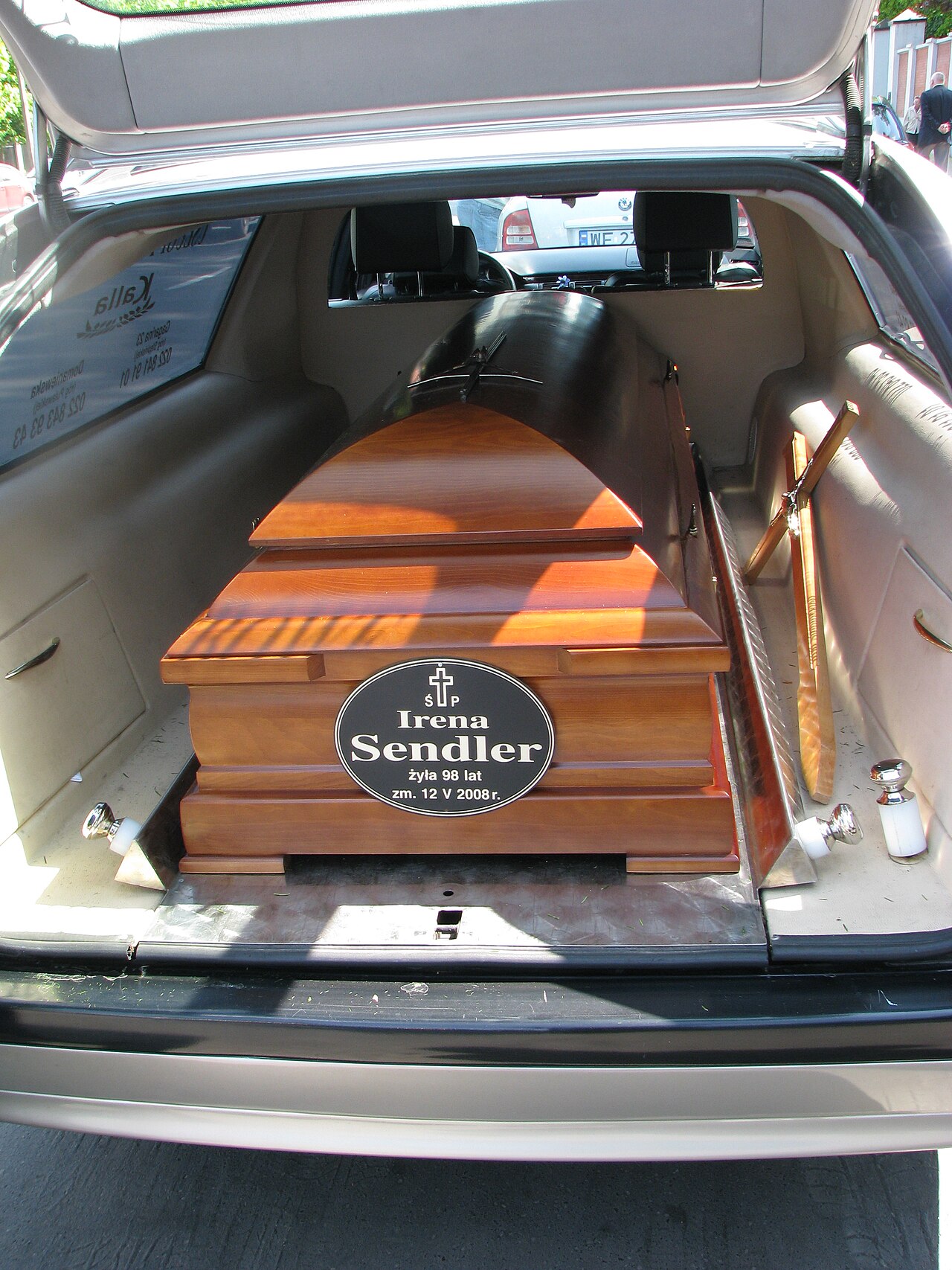
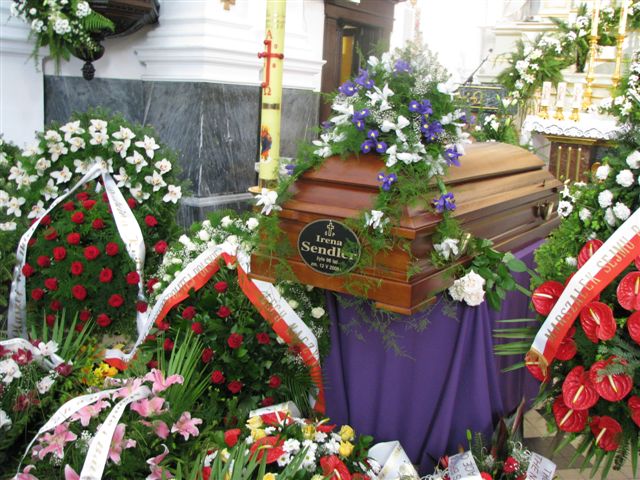
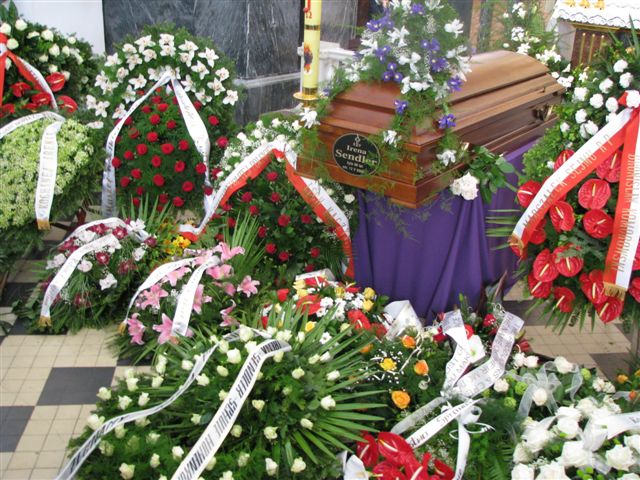
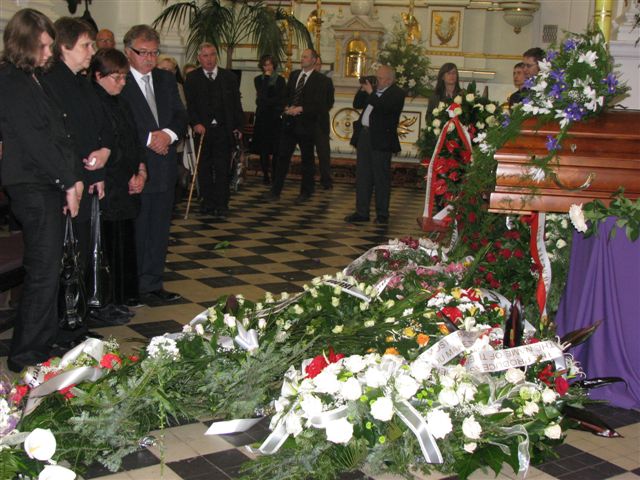
- 12 May 2008
- field
- Humanitarian, social worker, nurse
- nationality
- Polish
- known_for
- Rescuing Jewish children from the Warsaw Ghetto during World War II; head of chi
Lore & Background
Sendler was born on 15 February 1910 in Warsaw, to Stanisław Henryk Krzyżanowski, a physician, and Janina Karolina Grzybowska. She studied law for two years and then Polish literature at the University of Warsaw, where she opposed the ghetto benches system and defaced the 'non-Jewish' identification on her grade card. From 1935 to October 1943, she worked for the Department of Social Welfare and Public Health of the City of Warsaw. During the war, she participated in smuggling Jewish children out of the Warsaw Ghetto, providing them with false identity documents and shelter with willing Polish families, orphanages, and Catholic nun convents. In October 1943, she was arrested by the Gestapo but managed to hide the list of the names and locations of the rescued Jewish children. Withstanding torture and imprisonment, she never revealed anything about her work or the location of the saved children. She was sentenced to death but narrowly escaped on the day of her scheduled execution, after Żegota bribed German officials to obtain her release.
Reader's Guide
Irena Sendler's significance lies in her extraordinary courage and effectiveness in rescuing Jewish children during the Holocaust, a time when giving any kind of assistance to Jews in German-occupied Poland was punishable by death. As head of Żegota's children's section from October 1943, she coordinated a network of workers and volunteers from the Department of Social Welfare and Public Health, mostly women, who smuggled children out of the Warsaw Ghetto and found them safe havens. Her refusal to betray the children's identities under torture preserved their lives. After the war, she was recognized by the State of Israel as Righteous Among the Nations in 1965. Among the many decorations she received were the Gold Cross of Merit granted in 1946 for the saving of Jews and the Order of the White Eagle, Poland's highest honour, awarded late in her life for her wartime humanitarian efforts.
Did You Know?
- Sendler operated under the nom de guerre Jolanta during World War II.
- She was arrested by the Gestapo in October 1943 and sentenced to death, but escaped on the day of her scheduled execution after Żegota bribed German officials.
- While in the Warsaw Ghetto, she wore a Star of David as a sign of solidarity with the Jewish people.
- She was recognized by the State of Israel as Righteous Among the Nations in 1965.
- Sendler received the Order of the White Eagle, Poland's highest honour, late in her life for her wartime humanitarian efforts.
Gallery
Frequently Asked Questions
Who is Irena Sendler?
Irena Sendler was a Polish social worker, nurse, and humanitarian who became a key figure in the Polish Underground Resistance during World War II. Operating under the alias "Jolanta," she dedicated herself to rescuing Jewish children from the Warsaw Ghetto under Nazi occupation.
What was Irena Sendler's role in the resistance?
From October 1943 onward, she led the children's division of Żegota, the Polish Council to Aid Jews. In that capacity she organized the covert extraction of Jewish children from the ghetto, arranging forged documents and safe hiding places for them.
How many children did Irena Sendler save?
She is credited with helping rescue several hundred Jewish children from the Warsaw Ghetto during the Holocaust. Each child was given a false identity and placed with a Polish family or in a shelter outside the ghetto.
What was Żegota and how did Irena Sendler connect to it?
Żegota was a Polish underground organization established to provide aid to Jews targeted by the Nazi regime. Irena Sendler joined its ranks and eventually became the head of its children's section, where she coordinated rescue operations in occupied Warsaw.
Why is Irena Sendler remembered as a significant figure?
She is widely regarded as one of the most courageous humanitarian rescuers of the twentieth century because she risked her own life repeatedly to shield Jewish children from extermination. Her story highlights the moral courage of ordinary citizens who defied a genocidal regime from within occupied territory.
More in Miscellaneous Activists & Dissidents 1-24
Spotted an error? Know more?
This is a living reference — every entry is fact-audited, and reader corrections feed straight into our audit queue. Suggest an edit · See this site's audit record